

I wait in the darkness of the bus drop in Dakar, the funding of Senegal as well as check out the shoe laces as well as tennis shoes that get on screen. Not long after, I see a guy approaching me with a huge smile. Around his neck hangs a pendant of wood petition grains. It is Amadou, a young Senegalese male in his 30s.
A common call informed me he was deported from Europe concerning 3 months earlier. Currently, Amadou blazes a trail easily as well as happily asks where I am from in Wolof to check my language abilities. He has actually been residing in this space in Dakar for the last month.
I marvel of the family member simplicity concerning his circumstance after his current go back to Senegal as I had actually checked out as well as listened to a number of tales concerning the tough scenarios of refugees. When I ask him meticulously concerning it, he sums up that returning is challenging. However he states: “Alhamdulillah. I never ever allow my head down, no, no, no. I am young. I am a guy. Whatever that will certainly come is ok.”
Difficult manly perfects, such as the demand to be solid, disappointing feelings as well as needing to manage the problem of being the income producer, go to times represented as hazardous for both males and females.
However suppose the supposed marginalised guys, like Amadou, that terminated his movement trip earlier than he strove, as well as their environments involve with these very same manly perfects to manage their shared sufferings as well as discomfort?
Testing the preconception of refugees as a guy
In Senegal, movement can both be a preconception as well as an opportunity; it can enhance social standing however additionally cause stigmatisation as well as suffering, as an example, after an aborted movement task.
Returnees that return as refugees are usually represented in Senegal as bad guys, or silly adequate to be returned, or they go to threat of ending up being psychologically unwell because of their experiences abroad. They additionally encounter the problem of beginning once again in their residence nation.
Amadou as well as various other returnees I satisfied referred consistently to manly perfects when discussing their movement experiences. They hardly ever tested the concept of being the family members company, of being a hard as well as a loyal Muslim, in spite of their present or formerly tight spot.
Amadou’s discussion with a Senegalese press reporter supplies an instance of this. The press reporter asked in an aired meeting exactly how Amadou is doing given that he returned to Senegal. Amadou reacted:
” The reality that I am deported to Senegal does not injure me directly. However when I think of my family members that trusts me, that desires me to be successful, that harms.
” I am not wed, however I have a papa, a mom, siblings that depend on me. However I confess, it is challenging.”
Instead of being de-masculinised by the susceptability as well as precariousness that may include expulsion, he represents himself as somebody that wishes to do helpful for others.
By doing so, he can be commemorated for his uniformity as well as manhood as well as tests the concept that refugees are sufferers, bad guys or silly.
He may not have the ability to measure up to all the manly perfects currently, however he performed in the past as well as is intending to do far better once again in the future. This can imply he might leave Senegal once again as he did after his very first expulsion, however, for currently, he appears to be ironing out means to remain.
Amadou was reasonably open concerning his 2nd experience of expulsion from Europe, although he does not speak about all of it the moment. He states: “When individuals do not ask, I will certainly not inform.”
The power as well as discomfort of silencing feelings
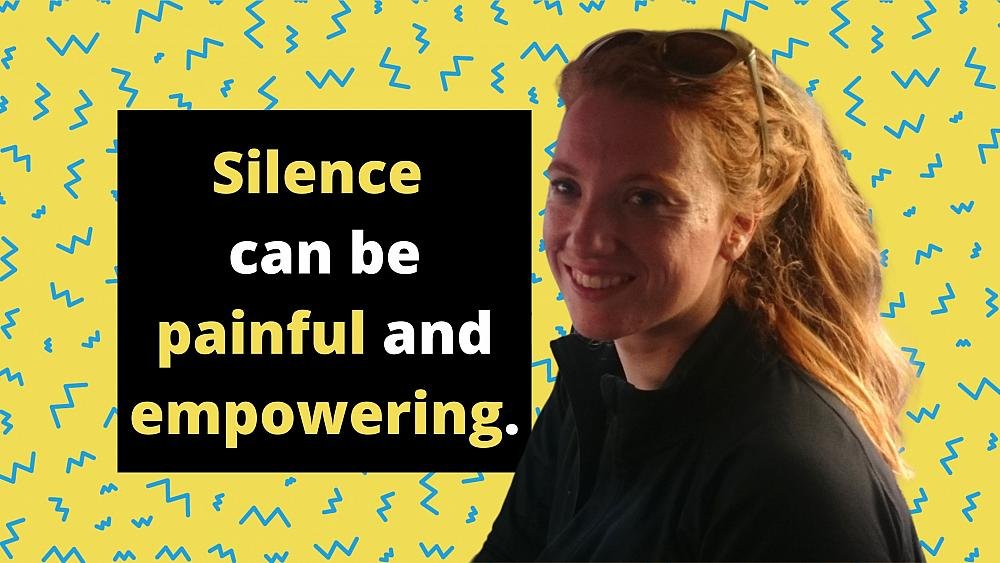
Silence in mix with manly perfects can be both uncomfortable as well as empowering.
I discovered to recognize this far better when I satisfied Oumar. He informed me he examined in Europe and afterwards went back to Senegal to function.
Not long after we satisfied, he all of a sudden left once again as well as claimed it was to proceed his research studies. I saw him 2 as well as a fifty percent years later on as well as it was just then that an unmentioned component of Oumar’s trip was exposed: his trip to Europe had not been totally lawful. The very first time he went there, he had actually lived as a ‘sans papiers’ (undocumented). He was later on deported.
It ended up that I was not the only individual Oumar did not inform his complete tale to. He hardly ever shared this trick, as he hesitated that individuals would certainly not recognize or believe that he was grumbling.
As a Senegalese boy as well as a Muslim, he saw it as a social as well as spiritual task not to speak up. Although his unexpected return was not a subject to ask him concerning straight, individuals still had their ideas.
” Everyone recognizes however no person recognizes. Till we claim it, we do not understand,” he claimed. He discovers his adverse photo as well as the reality that individuals do not speak with him vicious.
Needing to maintain his sensations to himself was tough, he additionally saw silence as a method to show his worth as well as show exactly how he expanded in Europe. To reveal his capability to manage tight spots, he privately intended a brand-new journey to Europe. He just informed individuals he was leaving on the day of his separation.
This brand-new journey allowed him to come to be a renowned boy once more as well as permitted him to drop the adverse organizations connected to his unforeseen very first return.
” It leaves apart the embarassment as well as whatever, so they fail to remember the circumstance as well as consider the present circumstance,” he claimed.
The leading manly perfects in Senegal caused discomfort as well as enduring for both Amadou as well as Oumar, however they additionally located possibilities within these very same manly perfects to re-establish themselves. While this may not be viable for all, it can be a goal.
_ Karlien Strijbosch is a Ph.D. prospect at Maastricht College in the Netherlands. In her argumentation, she checks out exactly how male returnees in Senegal tell as well as do their movement experience in connection with their maleness. In partnership with the College of Cheikh Anta Diop in Dakar, she invested virtually a year in Senegal chatting as well as involving with numerous stakeholders in the procedure of return movement, most especially returnees themselves. _
____________
Viewpoints revealed in Sight posts are entirely those of the writers.
Are you an identified professional in your area operating in Africa? Are you of African descent? Would certainly you such as to share an individual tale that tests conventional sights on maleness? Email us at CryLikeBoy@euronews.com


